October 21, 2026
Choosing a roofing material is an important decision for homeowners planning a new installation or replacing an aging roof. A roofing system must protect the property from changing weather conditions while complementing its appearance and fitting within a reasonable budget. With materials such as metal, tile, slate, and wood available, comparing the options can feel overwhelming. However, asphalt shingles continue to be a widely selected roofing material for residential properties throughout the United States. Their combination of affordability, design flexibility, dependable performance, and manageable maintenance requirements makes them appealing to many homeowners. Experienced roofing contractors can help property owners understand the advantages of different materials and determine which options suit their homes. Exploring the reasons behind the continued popularity of asphalt shingles can make it easier to approach roofing decisions with confidence.
1. Providing an Affordable Roofing Option
Cost is often one of the first considerations when homeowners evaluate roofing materials. Asphalt shingles are generally more affordable than premium options such as natural slate, clay tile, and certain metal roofing systems. Their widespread availability and established manufacturing processes help make them accessible for different residential budgets. This affordability allows homeowners to invest in dependable roof protection without necessarily choosing the most expensive materials available.
Installation expenses also influence the overall cost of a roofing project. Because asphalt shingles are commonly used, many roofing contractors have extensive experience installing and replacing them. Familiar installation methods and readily available materials can help simplify project planning. However, actual costs depend on roof size, slope, structural conditions, material quality, and labor requirements. Homeowners should compare detailed estimates rather than focusing exclusively on the initial price of roofing materials.
2. Offering a Wide Variety of Design Choices
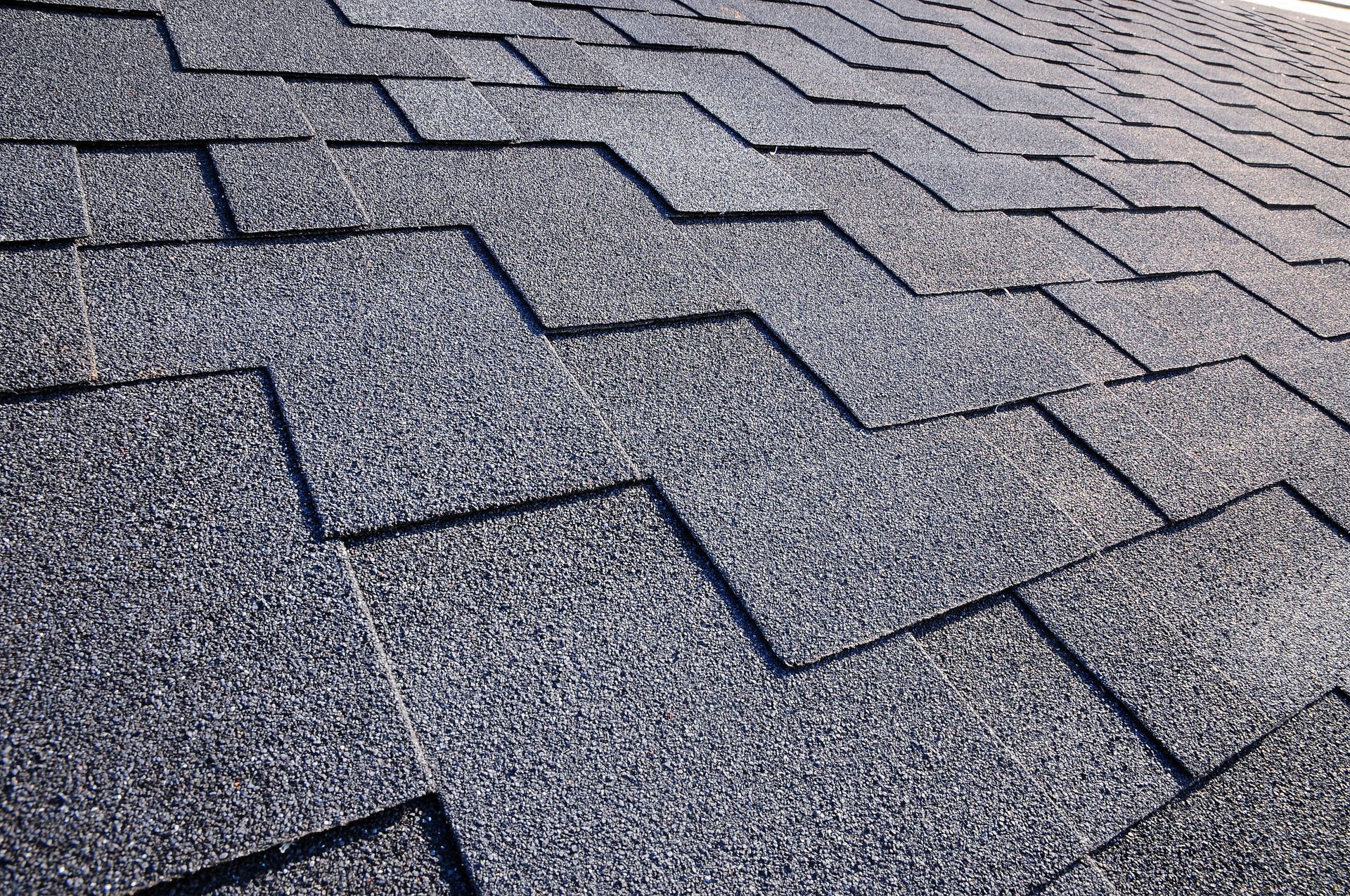
A home's roof contributes significantly to its overall appearance. Asphalt shingles are available in numerous colors, textures, and profiles, allowing homeowners to coordinate their roofing materials with siding, brick, stone, and other exterior features. Neutral shades can create a traditional appearance, while darker or more dimensional options may complement contemporary architectural styles. This flexibility makes asphalt shingles suitable for many residential designs.
Manufacturers also offer different shingle categories, including traditional three-tab products and architectural shingles. Architectural shingles typically feature multiple layers that create a more dimensional appearance. Some specialty products are designed to resemble materials such as wood shakes or slate. Homeowners can explore these options to achieve their preferred appearance while considering installation requirements, durability, and cost. Choosing an appropriate color and profile can help create a cohesive exterior design.
3. Delivering Dependable Weather Protection
A roofing system must withstand regular exposure to rain, sunlight, wind, and seasonal temperature changes. Asphalt shingles are manufactured to provide a protective covering that helps direct water away from the roof structure. When properly installed with suitable underlayment, flashing, and ventilation, they can contribute to reliable weather resistance. Different products offer varying performance characteristics, making material selection an important part of the installation process.
Professional roofing contractors can recommend shingles designed for the environmental conditions affecting a particular property. Certain products offer enhanced wind resistance, while others incorporate features intended to improve resistance to algae growth or impact damage. However, no roofing material is completely immune to severe weather. Proper installation, routine inspections, and timely repairs remain essential for maintaining dependable protection throughout the roof's service life.
4. Simplifying the Roofing Installation Process
Installation requirements can influence how long a roofing project takes and how complicated the work becomes. Asphalt shingles are relatively lightweight compared with materials such as concrete tile and natural slate. Their manageable weight can make them suitable for many residential roof structures without requiring the additional structural support that heavier materials sometimes need. Established installation procedures also help contractors organize the different stages of a roofing project.
Experienced roofing contractors understand the importance of preparing the roof deck, installing appropriate underlayment, securing shingles correctly, and protecting vulnerable areas with flashing. Although asphalt shingles are familiar materials, installation still requires careful attention to manufacturer specifications and local building codes. Roof complexity, weather conditions, and existing damage can affect project timelines. Proper workmanship helps ensure that the completed system performs as intended and reduces the likelihood of preventable problems.
5. Supporting Convenient Maintenance and Repairs
Every roofing material requires some level of maintenance to preserve its condition. Asphalt shingles offer practical advantages because individual damaged sections can often be repaired without replacing the entire roof. Missing shingles, localized wind damage, and certain flashing problems may be addressed through targeted repairs when the surrounding materials remain serviceable. This flexibility can make routine roofing maintenance more manageable for homeowners.
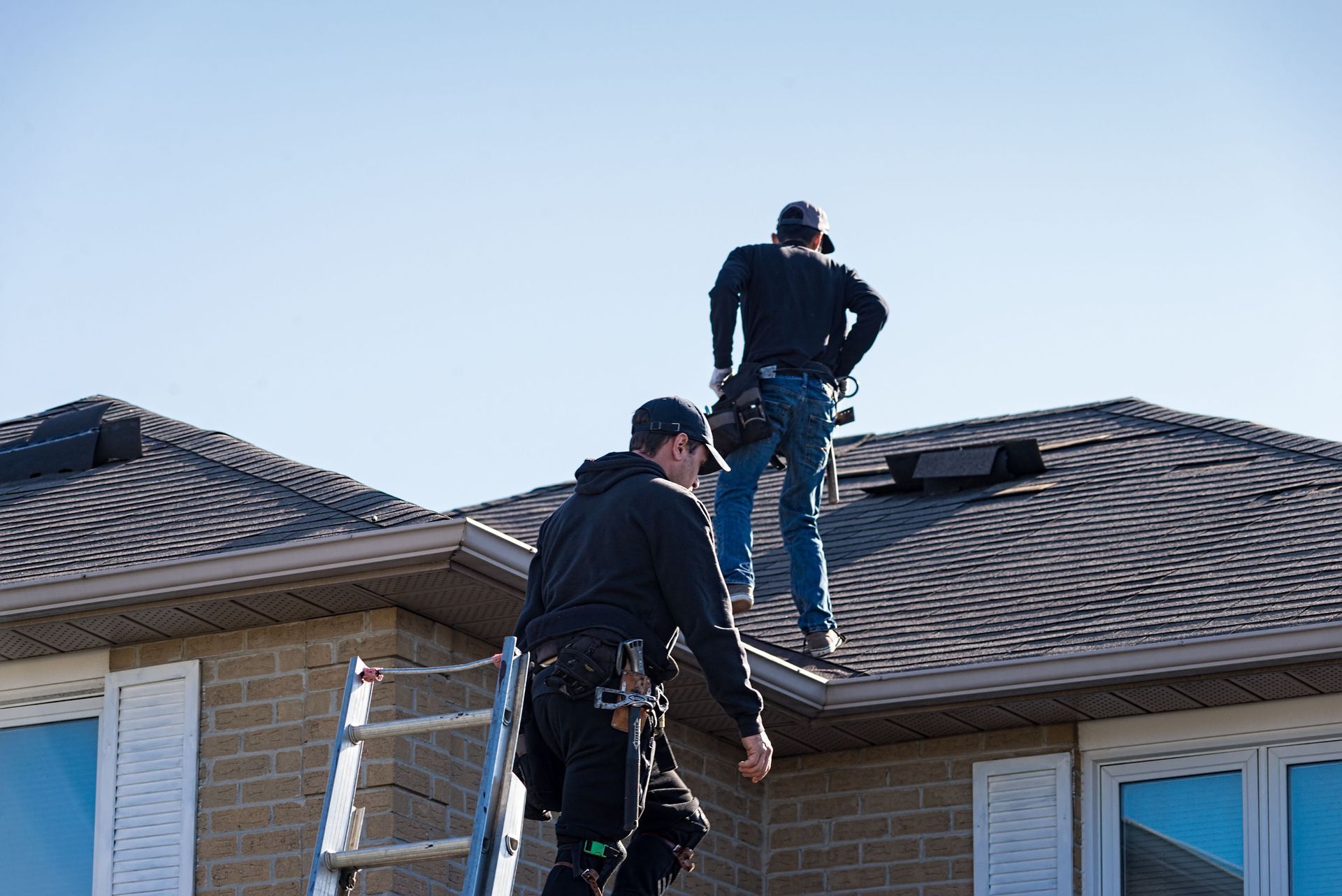
Regular inspections help identify concerns before they develop into more extensive damage. Homeowners should watch for missing shingles, lifted edges, excessive granule loss, and signs of moisture intrusion. Keeping gutters clear and removing debris can also support proper drainage. Repairs should be completed using compatible materials and appropriate techniques. Addressing deterioration promptly may help preserve the existing roofing system and reduce unnecessary replacement expenses.
6. Balancing Durability With Long-Term Value
Homeowners often evaluate roofing materials based on how well they balance initial expenses with expected service life. Asphalt shingles can provide years of protection when properly selected, installed, and maintained. Their longevity varies depending on product quality, climate, ventilation, roof design, and environmental exposure. Although some premium roofing materials may last longer, asphalt shingles remain attractive because they offer a practical combination of durability and affordability.
According to RubyHome, asphalt shingles remain the most widely used roofing material, accounting for approximately 80% of roofing projects. Their popularity reflects the material's established position within the residential roofing market. Experienced roofing contractors can help homeowners compare manufacturer warranties, expected performance, and replacement considerations. Understanding these factors makes it easier to evaluate long-term value rather than relying solely on purchase price or advertised lifespan.
7. Accommodating Different Residential Roof Designs
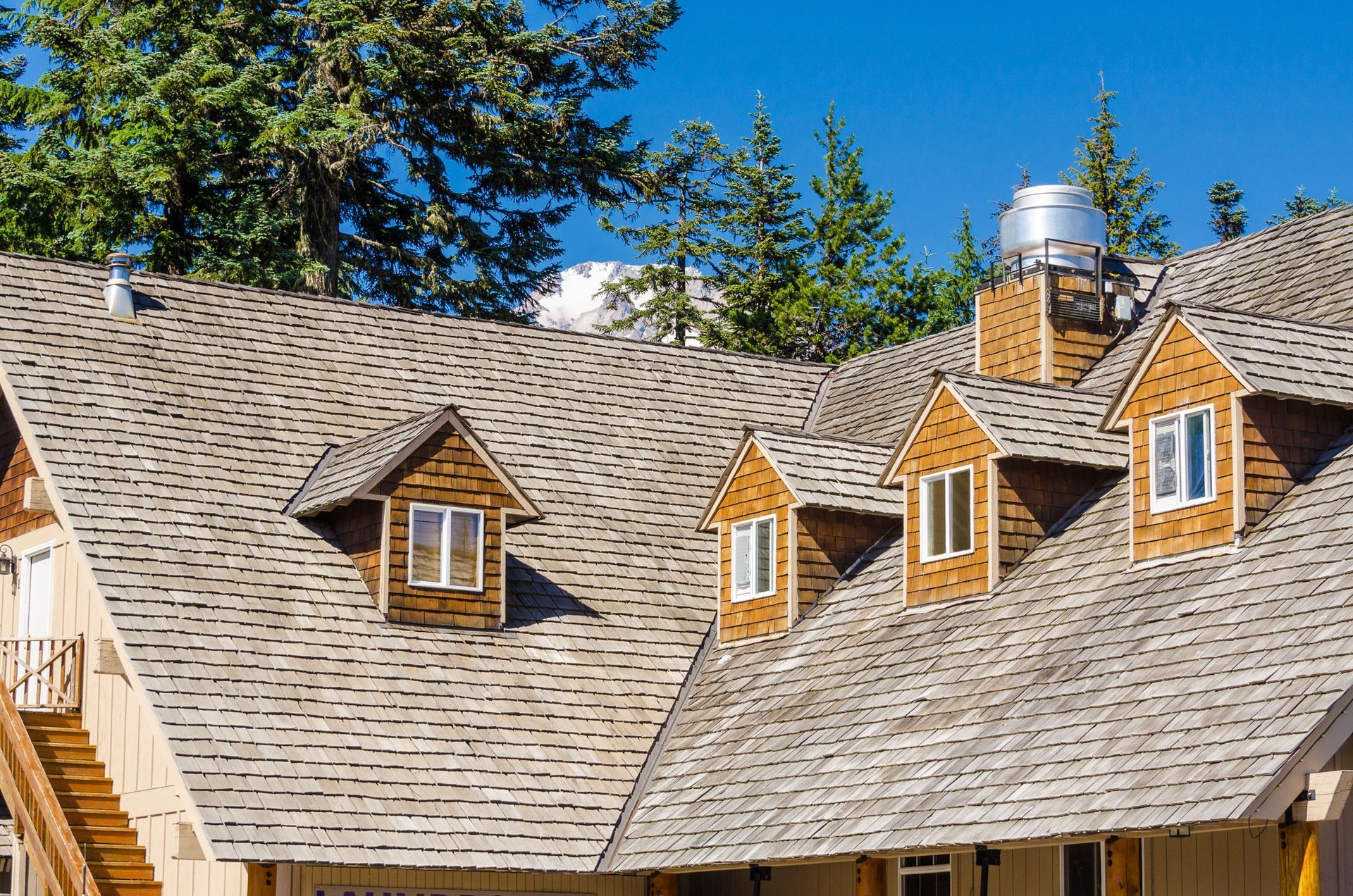
Residential properties feature many architectural styles, roof slopes, and structural configurations. Asphalt shingles are compatible with numerous pitched roofing designs, making them a versatile choice for traditional houses, contemporary residences, and other residential buildings. They can be installed on roofs featuring multiple sections, valleys, dormers, and other architectural details when the design meets applicable installation requirements.
This adaptability allows homeowners to maintain a consistent roofing appearance across different portions of their properties. However, asphalt shingles are not appropriate for every roof configuration. Low-slope areas may require specialized installation methods or alternative roofing systems to manage water effectively. Evaluating the roof's pitch, drainage characteristics, and structural condition helps determine whether shingles are suitable. Professional guidance can prevent material selection mistakes that might compromise long-term performance.
8. Making Future Roofing Decisions More Manageable
Homeowners should consider future maintenance, material availability, and replacement requirements when selecting a roofing system. Asphalt shingles are widely manufactured and distributed, making different product styles accessible through established suppliers. Their familiarity within the roofing industry can also simplify conversations about repairs, inspections, and replacement options. These practical advantages may be especially valuable when homeowners need to address unexpected damage.
Working with knowledgeable roofing contractors can help property owners evaluate available products and develop realistic maintenance plans. Professionals can explain differences between shingle grades, review warranty provisions, and identify installation considerations specific to the home. They can also assess whether an existing roof requires localized repairs or complete replacement. Having access to familiar materials and experienced professionals helps homeowners make informed decisions throughout the roofing system's lifespan.
Asphalt shingles remain a popular residential roofing material because they combine affordability, design versatility, dependable protection, and manageable maintenance requirements. Their compatibility with different architectural styles and established installation methods makes them practical for many homeowners. Although material quality, climate, and installation practices influence long-term performance, selecting appropriate shingles can help create a reliable roofing system that complements the property. Regular inspections and timely maintenance further support the roof's condition over time. Homeowners considering a new installation or replacement should evaluate their budgets, design preferences, and performance expectations before making a final decision. Experienced roofing contractors can provide valuable guidance when comparing products and planning roofing improvements. To explore asphalt shingle roofing options and discuss your property's needs, contact Wagner Construction Co. Inc. today.