October 20, 2026
Your roof protects your home from rain, wind, extreme temperatures, and other environmental conditions. Over time, roofing materials deteriorate, reducing their ability to prevent moisture intrusion and maintain energy efficiency. Recognizing when replacement is necessary helps homeowners prevent costly structural damage, protect property value, and maintain a safe living environment.
Knowing Signs of Roof Damage
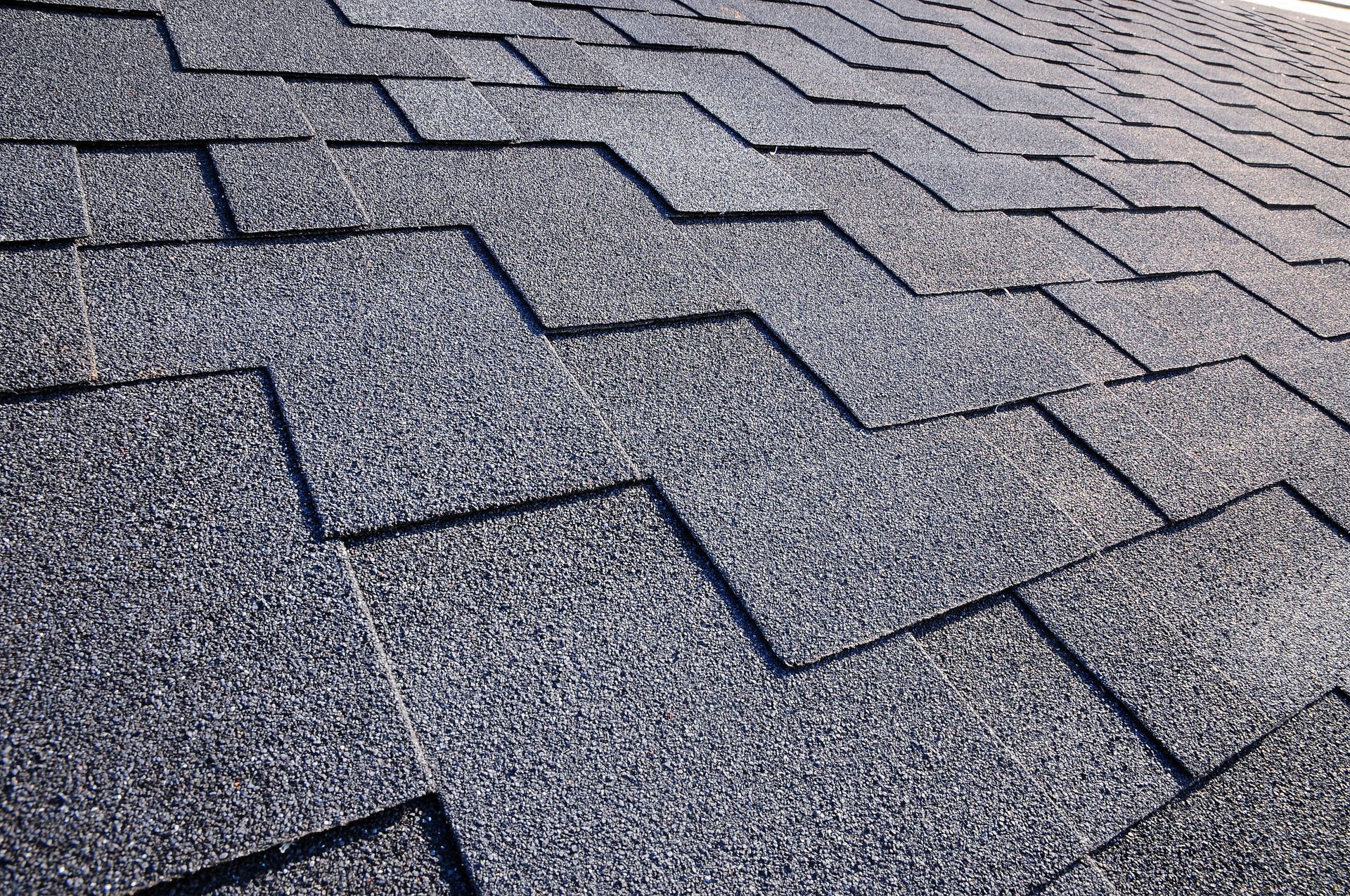
Cracked, curled, or missing shingles can expose underlying roofing materials to moisture and accelerate deterioration. Although isolated damage may be repairable, widespread problems can indicate that replacing the entire roof is the more practical long-term solution. A professional inspection can determine whether repairs are sufficient or roof installation is necessary.
Buckling or sagging areas deserve prompt attention because they may indicate moisture damage, inadequate ventilation, or problems with the underlying structure. These conditions can worsen over time and potentially affect other building components. A qualified roofing contractor can identify the source of the problem and recommend appropriate repairs or replacement.
Experiencing Water and Weather Damage
Roof flashing protects vulnerable areas around chimneys, vents, skylights, and roof intersections. When flashing becomes corroded, cracked, or separated, water can enter the home and damage surrounding materials. Professional inspections can determine whether replacing the flashing or the broader roofing system is appropriate.
Granules accumulating in gutters can also indicate that asphalt shingles are wearing down. Substantial granule loss exposes shingles to greater weather-related deterioration and may signal that the roof is approaching the end of its service life. When this occurs alongside other signs of aging, a contractor can evaluate whether roof installation is the best long-term option.
Water stains on ceilings and walls may indicate that moisture has already entered the building. Persistent leaks can damage insulation, weaken wood components, and contribute to mold growth. Identifying the source promptly helps homeowners determine the necessary repairs and whether replacement is warranted.
Keeping Records Repair of Recurring Problems
Frequent repairs can indicate that a roof is approaching the end of its service life. Recurring leaks, repeated shingle damage, and deteriorating flashing may suggest widespread material failure rather than isolated problems. Reviewing repair costs helps homeowners compare continued maintenance with the potential benefits of replacement.
Keeping records of previous roofing work gives contractors valuable information about the property's history. Details about storm damage, recurring leaks, and replaced materials can help identify persistent problems. This information supports more informed recommendations based on the condition of the entire roofing system.
When repair costs continue to accumulate, roof installation may offer a more dependable long-term solution. A new roofing system can address widespread deterioration while providing an opportunity to improve material selection and ventilation. Homeowners should obtain a professional assessment and a detailed estimate before deciding which option best suits their property and budget.
Experiencing Weather and Environmental Damage
Local weather significantly influences how quickly roofing materials deteriorate. Heavy rainfall can expose weak seals and drainage problems, while strong winds may loosen shingles and damage flashing. Hail, snow, ice, and repeated freeze-thaw cycles can also place additional stress on roofing materials.
Homes in coastal environments may experience corrosion from salt exposure, while properties in areas with intense sunlight can experience greater material degradation from ultraviolet radiation. Temperature fluctuations can also weaken roofing connections over time. Choosing materials suited to local conditions helps improve durability and reduce the likelihood of premature failure.
Professional inspections after significant storms can identify damage that may not be obvious from the ground. Contractors can evaluate vulnerable areas, document problems, and recommend repairs or replacement when necessary. Addressing weather-related damage promptly helps protect the home's structure and reduce the risk of further moisture intrusion.
Maximizing Energy Efficiency and Roof Performance
An aging roof can contribute to higher heating and cooling costs when insulation, ventilation, or roofing materials no longer perform effectively. Heat escaping during colder months and entering during warmer weather can place additional demands on heating and cooling systems. A professional evaluation can help determine whether roofing problems contribute to rising utility bills.
Proper attic ventilation helps regulate temperature and manage moisture, while adequate insulation reduces unwanted heat transfer. When these components do not function effectively, condensation and excessive heat can contribute to premature roof deterioration. Contractors can assess these conditions and recommend appropriate improvements during a replacement project.
Modern roofing materials may offer improved reflective properties and other energy-related benefits, depending on the product and building design. During roof installation, homeowners can discuss options that support energy efficiency and suit their property's needs. Selecting appropriate materials may improve indoor comfort and help reduce energy consumption.
Selecting Inspectors and Contractors
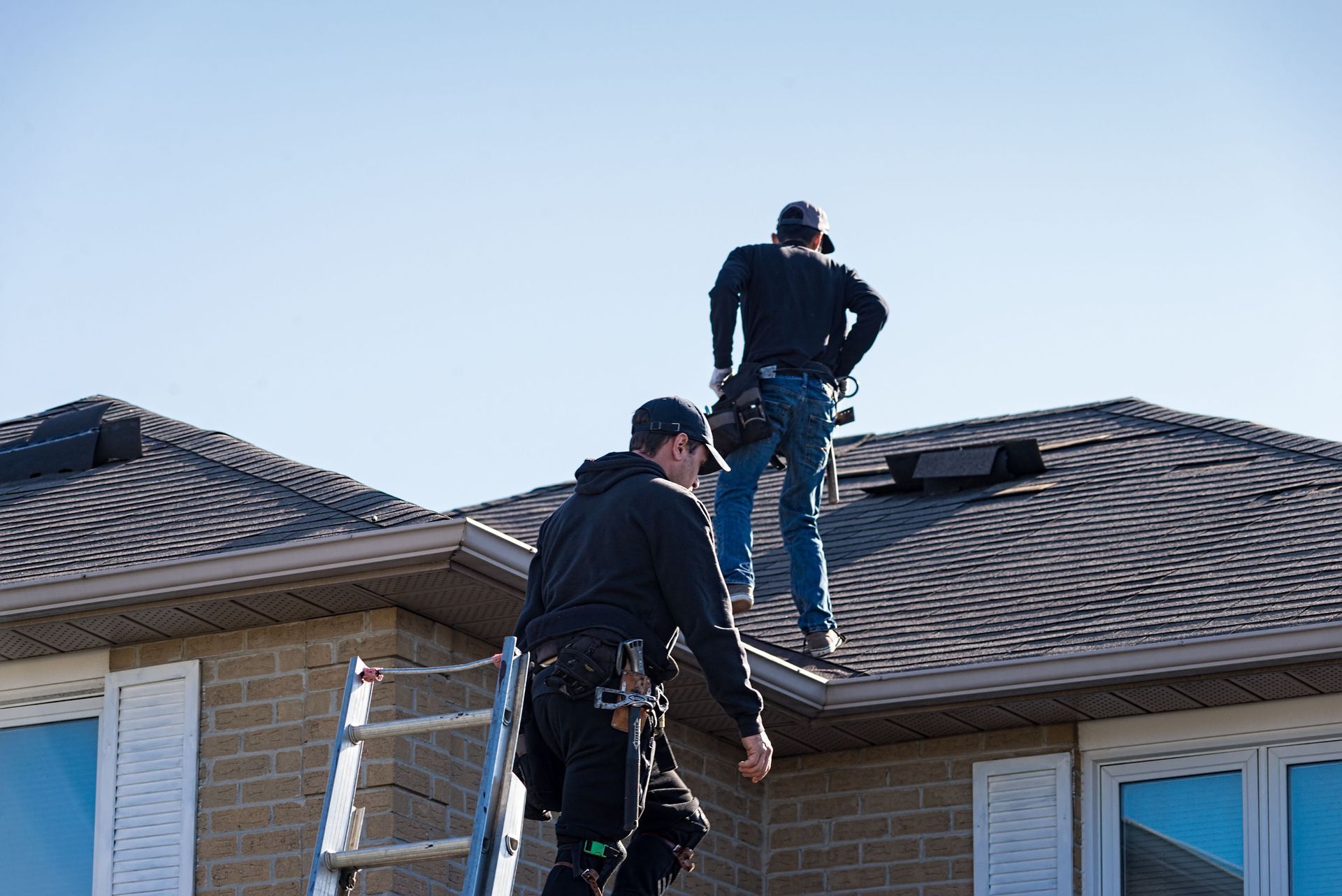
Professional inspections provide a comprehensive understanding of roof condition. Contractors can examine shingles, flashing, drainage areas, roof penetrations, and other components to identify damage and deterioration. They can also determine whether underlying structural concerns require further investigation.
According to the Bureau of Labor Statistics, there are around 129,000 roofers in the United States. Homeowners should evaluate contractors carefully by considering relevant experience, appropriate licensing where required, insurance coverage, and written estimates. Clear communication about project scope, materials, timelines, and warranties can help prevent misunderstandings. A thorough inspection should explain which problems require immediate attention and which can be monitored over time. Contractors should distinguish between repairable damage and widespread deterioration that makes replacement more appropriate. Understanding these findings helps homeowners make informed decisions about costs, materials, and long-term performance.
Choosing Materials and Installation Quality
Choosing roofing materials involves balancing durability, appearance, maintenance requirements, and budget. Asphalt shingles are widely used because they offer various styles and generally have a lower initial cost than many alternatives. Metal roofing can provide a long service life, while slate may appeal to homeowners seeking longevity and a distinctive appearance.
Climate conditions should influence material selection because products perform differently under varying weather patterns. Homeowners should also consider roof slope, structural requirements, local building codes, and the architectural style of the property. A qualified contractor can explain the advantages and limitations of available options before work begins.
Installation quality is just as important as material selection. Improper installation can lead to leaks, poor ventilation, premature deterioration, and warranty complications. Professional roof installation helps ensure that materials meet manufacturer requirements and applicable building standards.
Planning a Roof Replacement
Planning ahead allows homeowners to prepare financially and schedule work before a deteriorating roof develops more serious problems. Obtaining estimates from qualified contractors provides a clearer understanding of labor, materials, project timelines, and any additional structural work that may be necessary. Written proposals should explain the project scope, payment terms, warranties, and procedures for addressing unexpected issues.
Weather can influence scheduling, as precipitation, temperature, and wind conditions may affect roofing work. Discussing these factors early helps establish realistic expectations and minimize unnecessary delays. Homeowners should also ask contractors about project timelines and any preparations needed before work begins. A replacement project can provide an opportunity to address ventilation, insulation, drainage, and other components that influence overall roof performance. Coordinating these improvements with roof installation may help reduce future disruptions and ensure related concerns are addressed together. Careful planning supports a more predictable project and helps homeowners understand the value of their investment.
Protecting Your Home
Wagner Construction Co. Inc. can help homeowners evaluate their roofing needs and understand available options for protecting their properties. Working with a qualified contractor allows homeowners to discuss material choices, project expectations, and the condition of their existing roofing system before committing to major work. Professional guidance can help establish an appropriate plan for addressing roofing concerns. Contact Wagner Construction Co. Inc. to discuss your roofing needs and arrange an assessment of your property. Investing in timely roof installation can restore reliable weather protection, address existing deterioration, and support the long-term condition of your home. With suitable materials, careful planning, and professional service, homeowners can make informed decisions that protect their investment for years to come.